Message from our Co-Chairs
This year, we continued to advance integrated primary care by strengthening connections across primary care, hospitals, community and social services. Through collaboration with our partners, we are improving access, supporting primary care attachment, and creating more coordinated pathways to care for the people and communities we serve.
We have much to be proud of:
Expanded primary care access: Community Health Clinic (CHC) Stouffville moved to a new location and expanded its services, while CHC Stouffville and CHC Uxbridge continued to grow their role in providing ongoing primary care to people without a regular provider.
Advanced primary care attachment: Working with our primary care partners, we cleared the target Health Care Connect waitlist for people who had been waiting since January 2025. CHC Stouffville and CHC Uxbridge played an important role in this effort, formally attaching more than 500 people to ongoing primary care by the end of March 2026.
Strengthened integrated care programs: We continued to build connections between primary care, hospitals and community services to help people access the right care at the right time.
Developed a Population Health Management tool: We brought together health system and population data to better understand local needs and inform planning for more integrated care.
These achievements reflect the collective efforts of our partners, primary care providers, patients, caregivers and communities. As we look ahead, we will build on this progress to strengthen primary care attachment, improve coordination across the health system, and ensure more people can access the care and support they need.
Christine’s Journey to the Right Care

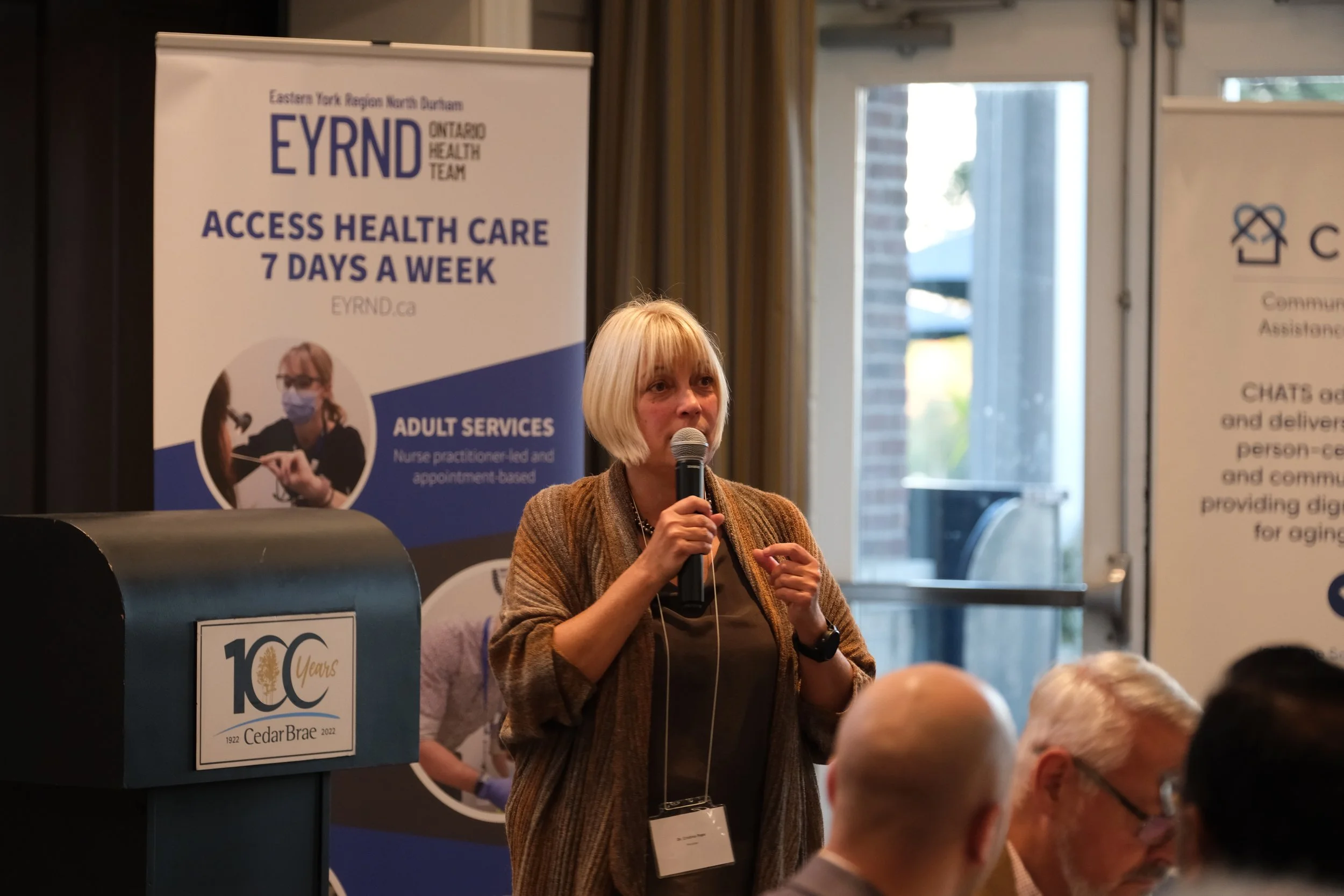
Dr. Cristina Popa
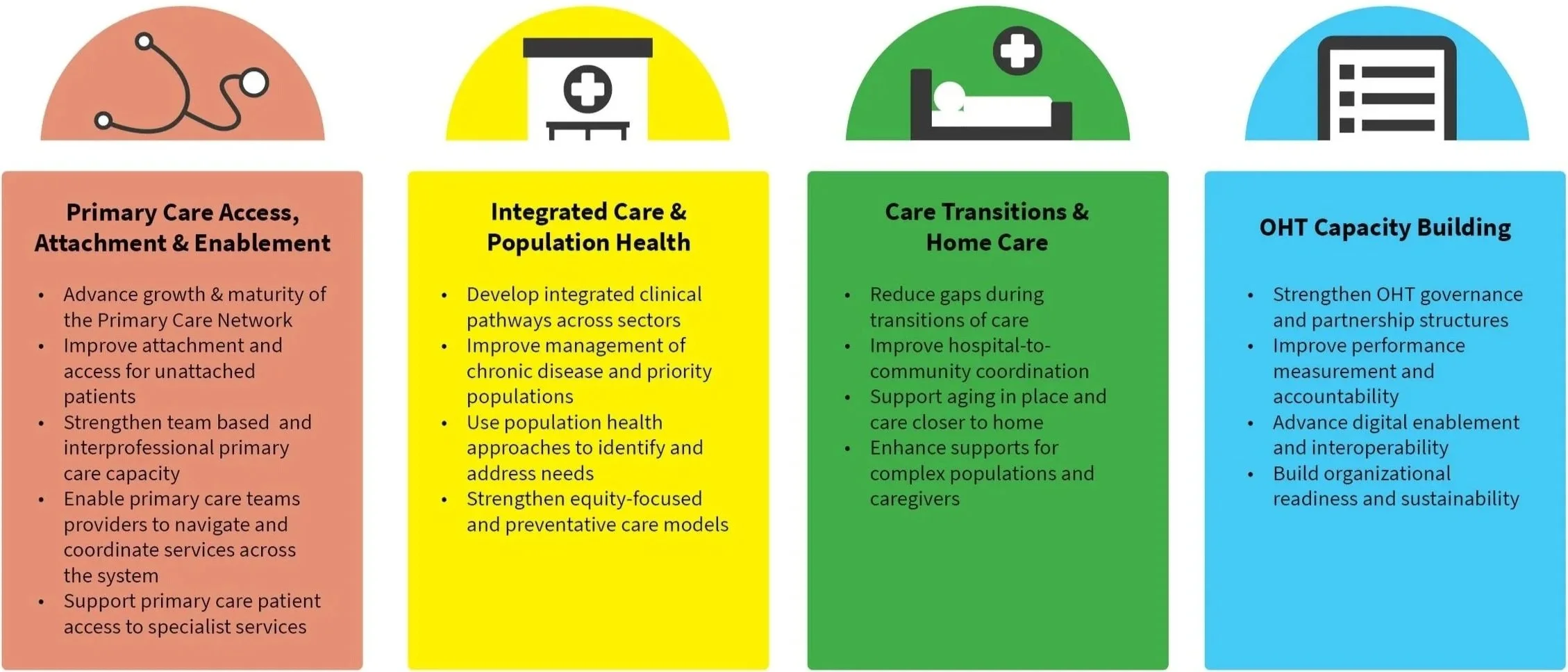
2026–2029 Strategic Plan: Our Priorities for the Next Three Years
Our 2026–2029 Strategic Plan sets out how we will work together to advance integrated, connected and person-centered care across Eastern York Region North Durham. It is built around four strategic pillars that reflect our shared priorities and the capacity needed to turn them into action. We will strengthen the governance, partnerships, data, digital tools, and accountability needed to advance our priorities. Building this foundation will help us move from planning and collaboration to sustained implementation and measurable results.
Together, these four pillars provide a shared direction for the next three years. By strengthening primary care, connecting services, improving continuity of care and building our collective capacity, we will continue working towards better care experiences and outcomes for the people and communities we serve.
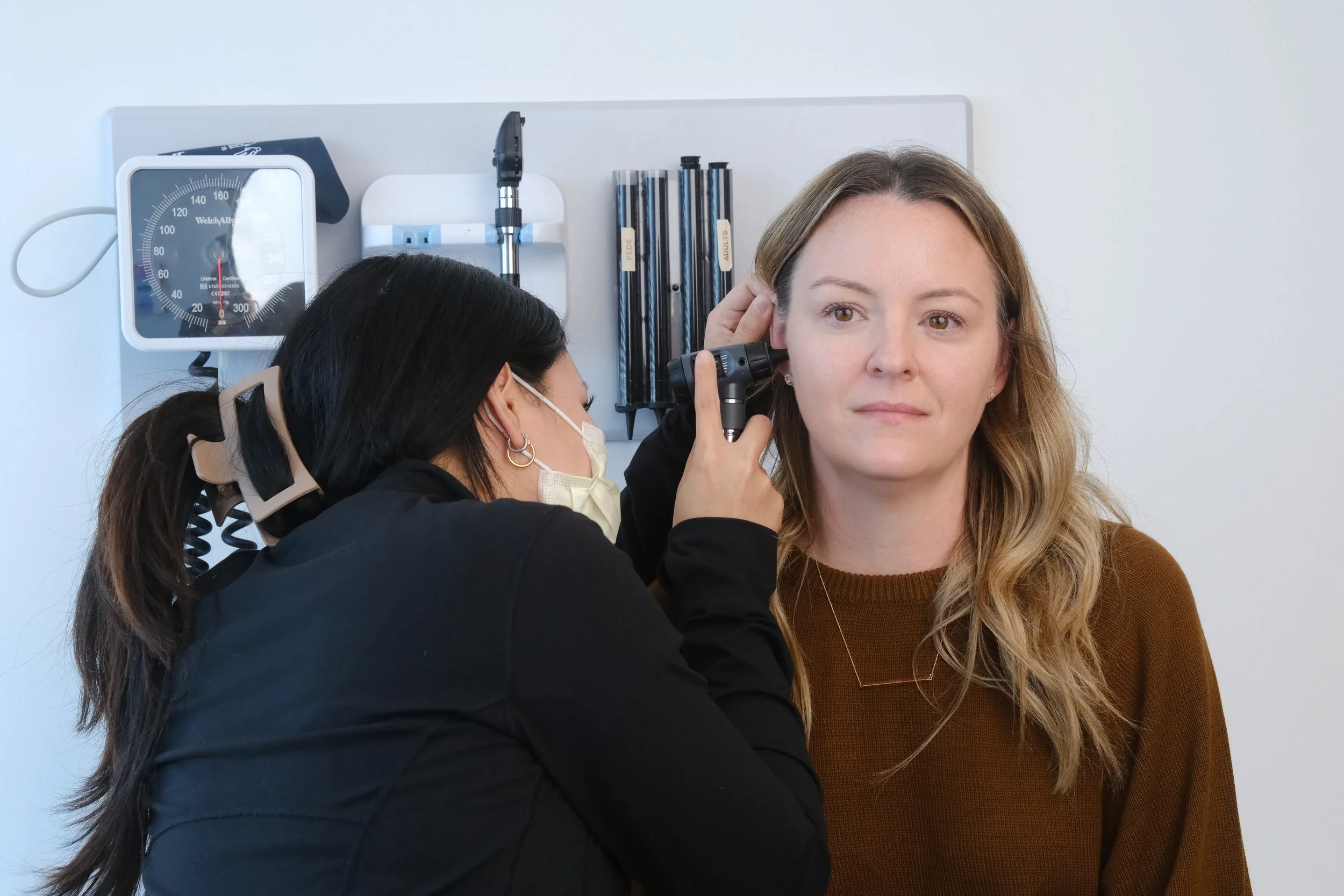
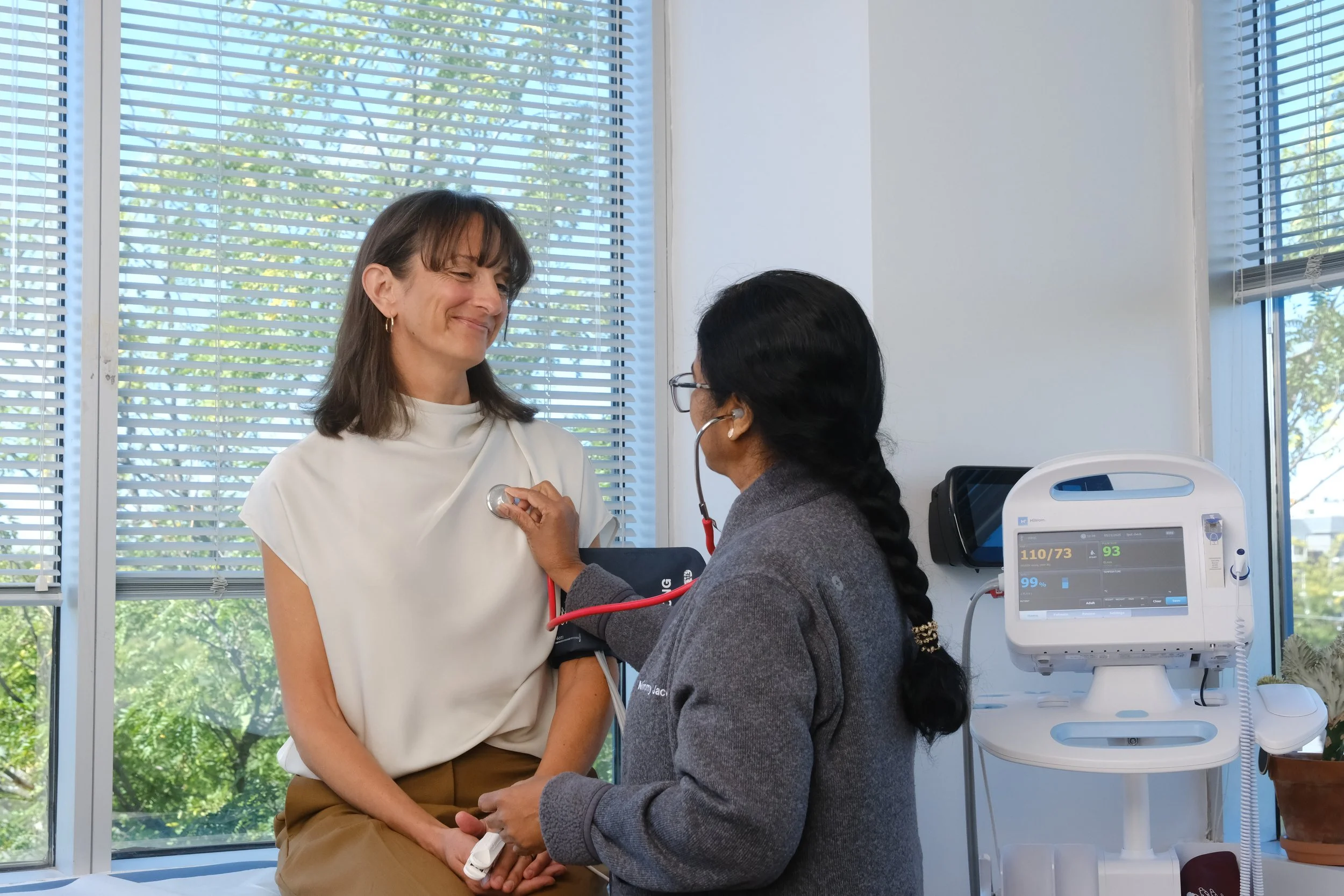
When you are experiencing ongoing health concerns, it can be frustrating when you aren’t finding the right answers or supports you need. For Christine, a patient at Community Health Clinic (CHC) Stouffville, months of heart palpitations left her feeling that her concerns weren’t being fully heard by her family doctor.

Alykhan Suleman
From frustration to peace of mind
When people can’t access regular primary care, even minor health concerns can become more difficult to manage. In Ontario, approximately 2 million people are without a family doctor, and the need for timely, accessible care continues to grow. For longtime Stouffville resident, Cathy, access to care has been challenging, despite being rostered with a primary care provider.
“We couldn't really see our family doctor. If you were able to get an appointment, you'd have to wait a week or even a month,” she recalls. “We either had to go into a walk-in clinic and wait for hours or find another solution.”
Strengthening community support
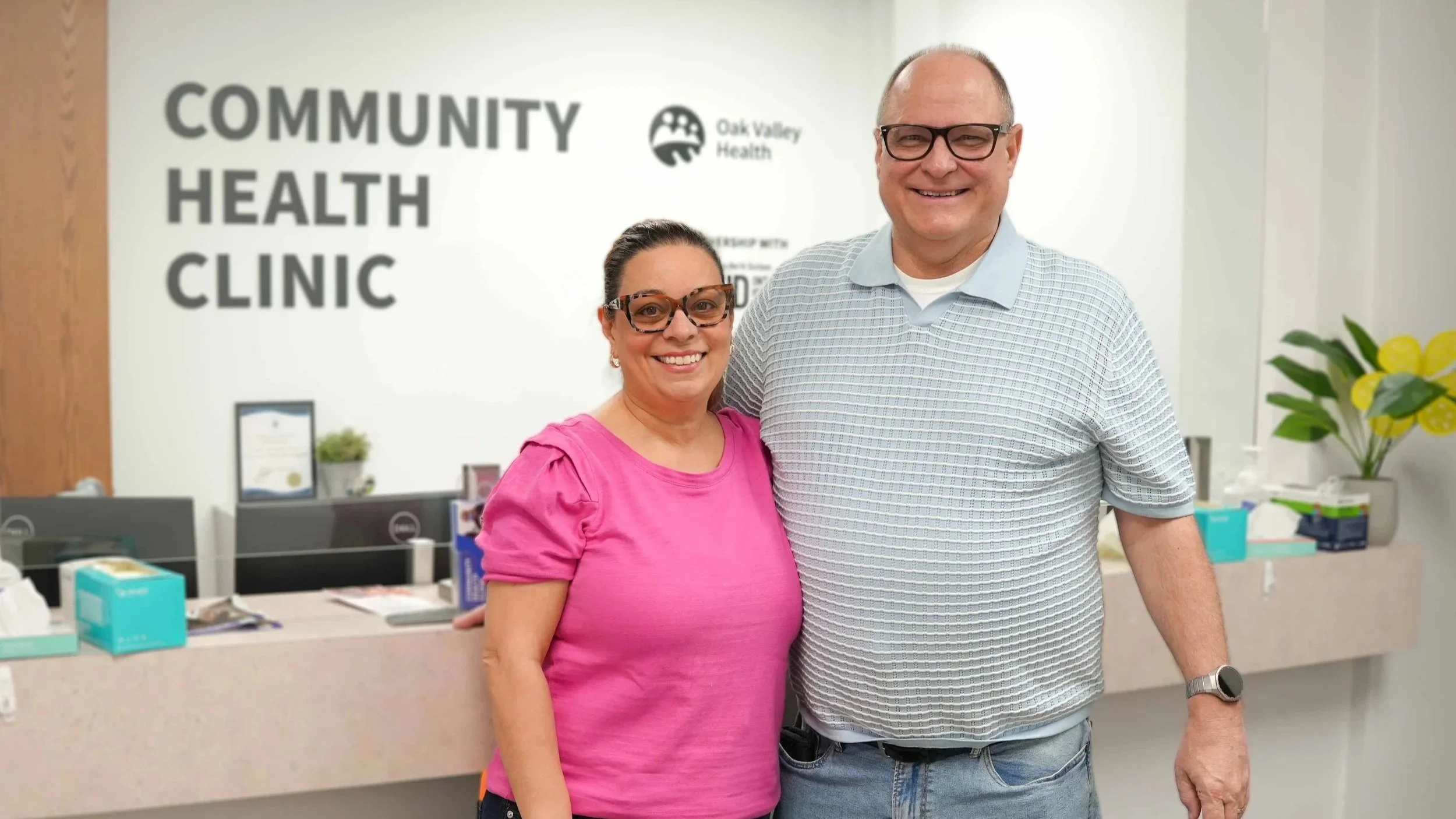
Community Health Clinic Stouffville expanded to a larger location, meeting the health care needs and growing demands of the community. The clinic expansion features enhanced services to provide more accessible care, close to home.
Milestones and reach
5,000+
CHC Stouffville visits
2,300+
CHC Uxbridge visits
5,400+
Virtual visits
1,110+
ED visits diverted due to SCOPE
500+
patients connected to primary care
2,990+
Paediatric visits
260
providers engaged
Building the foundation for population health
How do we know what our communities need from the health care system?
A big part of the answer starts with understanding who lives in our communities, the health challenges they experience, and how they use health services. This past year, we took an important step in this direction by developing our first Population Health Management tool.
This tool brings population health information together in one place, giving us a clearer picture of the communities we serve. It looks at factors such as population demographics, chronic conditions, and health system use. This helps us see where needs may be greatest and where there may be opportunities to improve how care and support are connected.